

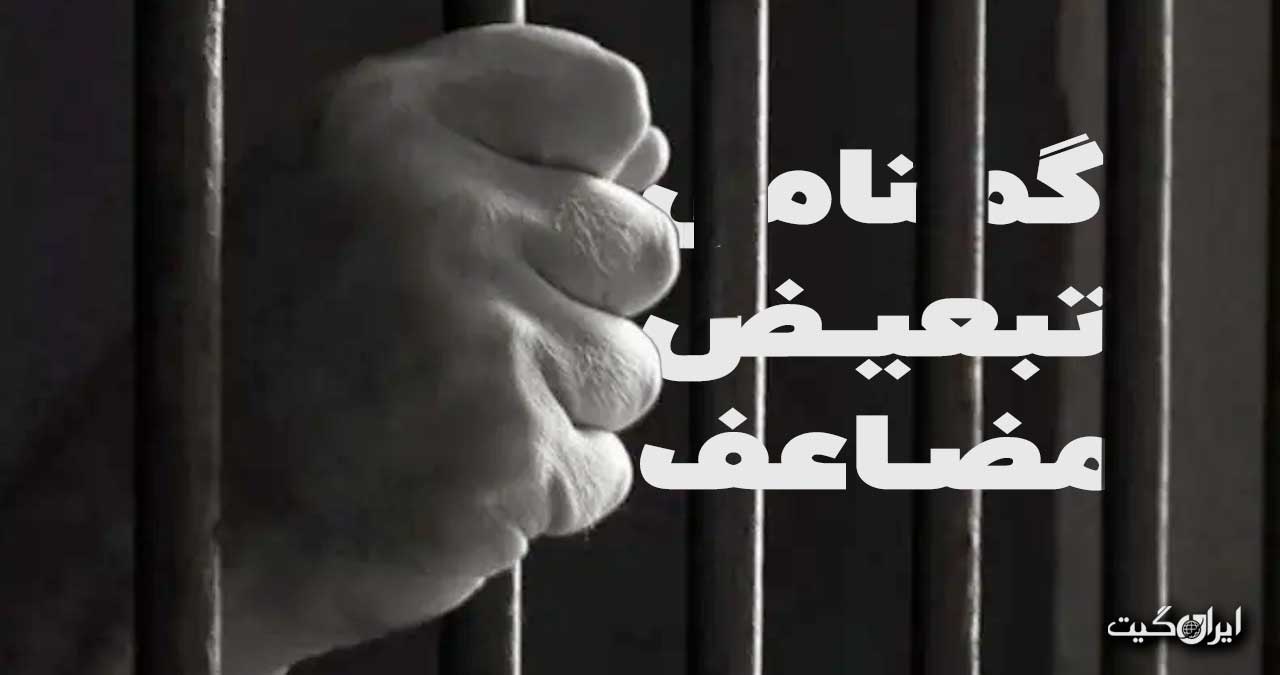
Anonymity as Double Discrimination
Anonymity as Double Discrimination: Regardless of the validity of some criticisms and controversies that arose after the release of Hossein Ronaghi, part of the critics’ argument was that focusing on informing about one or a few detainees might lead to neglecting the situation of dozens of other detainees who appear to be anonymous and unknown.
Fame and having a supporting group in such a situation can also seem discriminatory. Political activists, celebrities, footballers, journalists, and similar individuals who are currently detained receive more attention. Their situation is followed more closely, and there is likely more pressure for their release compared to others. Famous footballers and actors spend less time in detention and are released sooner.
Among these, those who belong to a union or group also have a better situation, such as teachers, students, and some labor activists, because if their union is informed, there is a possibility of reporting about them. However, even their news is less seen and shared compared to well-known figures.
Some time ago, a Twitter user said that we should cover the news of relatively unknown detainees as much as possible. Perhaps if Mehrshad Shahidi’s name had been spread since his arrest, he would be alive now. A brother of a political prisoner has said that during the detention and solitary confinement of your loved ones, informing is the most crucial action that must undoubtedly be taken.
Many political activists have repeatedly shared their experiences in this field on social media and have urged families not to miss the golden time and to promptly inform about the detained individual or individuals in their family. However, sometimes the family’s reluctance and insistence on non-disclosure create obstacles.
The family, rightly or wrongly, or under some pressures, believes that by not informing, their detained loved one might be released sooner. However, one of the most important actions for rescuing detained individuals is informing, as it reduces the pressures on the detained person.
For this reason, the situation is more complicated for nameless prisoners, especially in smaller cities, worse than in Tehran. Often, the detaining authority in small cities and outskirts is unknown. When we talk about the silence of detainees in marginal areas, it means that sometimes there is no information about the detaining authority or the location of the detained person. Not only are they deprived of the right to access a lawyer, but there is also no mention of them on any social network.
Hashtags like ‘Unnamed Prisoners, Let’s Not Be Silent’ have been used on social networks like Twitter to inform about these nameless detainees. A Twitter user, referring to the effectiveness of informing about anonymous prisoners, wrote that a few days ago, I wrote about one of the anonymous prisoners, and now his mother has messaged that one of the friends found out through this way that bail has been posted and her son has been released.
Sometimes a detained individual has a specific physical or mental health issue that requires treatment, access to medication, and special attention. Certainly, informing about them is very vital for them. For example, an 18-year-old teenager detained in Mashhad has a skin disease. A user posted a picture of him, writing that being in prison is dangerous for him, or a patient with diabetes and heart problems.
Currently, there is no precise information or official statistics on the number of detainees. Some media outlets have reported numbers exceeding 10 or 15 thousand. Meanwhile, the Committee for Monitoring the Situation of Detainees, formed to investigate those detained in recent protests, has only been able to document the names of 2,300 detainees by Tuesday, December 1.