
JCPOA and the October Outcome
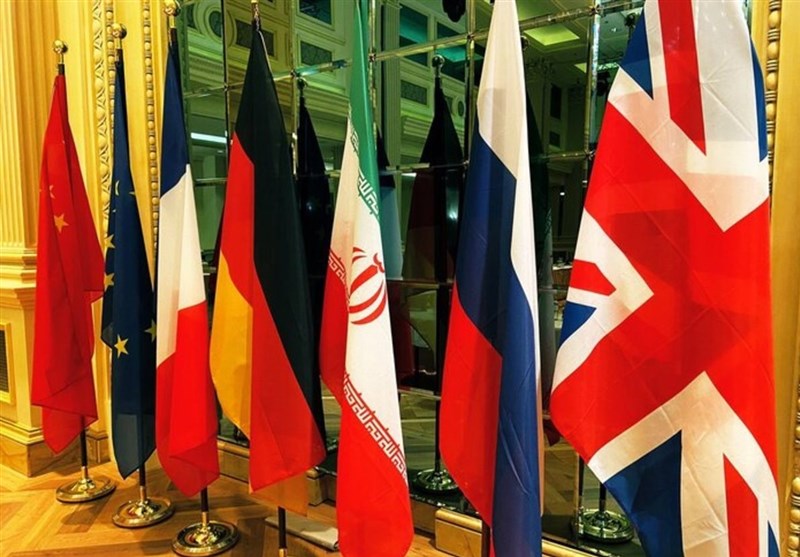
The JCPOA and the October Outcome: The JCPOA negotiations hit an unexpected snag when Iran presented its final demands to the U.S. regarding the draft text prepared by the European Union, which had already seen preliminary agreements in Vienna. The situation arose from the U.S.’s clear reaction to Iran’s demands, describing Iran’s final requests as a significant step backward.
The phrase ‘step backward’ has been repeatedly used by American officials in recent times following Iran’s response. Nonetheless, it’s important to note that the American reaction gradually shifted towards expressing dissatisfaction with Iran’s final demands. Maximum efforts were made, at least from the American side, to reach a point of understanding before final disillusionment.
The European Union and its foreign policy chief are satisfied with the text they prepared and have blamed Iran more than the U.S. for the current situation. Over the past two weeks, stakeholders involved in the JCPOA have altered the status of the agreement through actions and events in other areas.
The JCPOA is working
In previous reports, we clearly explained that the JCPOA structure is a framework for controlling Iran’s nuclear program and for the International Atomic Energy Agency (IAEA) to monitor its facilities and activities. This structure was established by the U.S. and its allies, with full cooperation from China and Russia, during the JCPOA negotiations and the mechanisms finalized in the 2015 agreement. It has continued to operate dynamically and earnestly over the years.
In response to Trump’s actions to withdraw from the JCPOA, Iran reported all changes in its program to the IAEA. Meanwhile, specific programs underway at Iran’s nuclear facilities, which were attempted to be kept secret, were monitored by the IAEA. It is precisely the thorough examination of these matters that has caused trouble for Iran, which is now striving to close the file on these issues as soon as possible without announcing the results of the investigations led by Rafael Grossi.
The JCPOA is not a structure for delivering money and lifting sanctions from Iran. It has effectively fulfilled its purpose. The increase in enriched uranium levels in Iran and other activities reported by the IAEA before the Board of Governors meeting demonstrate this powerful functionality.
What Has Changed
Significant changes in the last two weeks of September have steered the JCPOA negotiations in a new direction. The first change was the Biden administration’s firmer stance in expressing dissatisfaction with Iran’s latest responses, alongside the beginning of a period of engagement with Iran through various channels. Robert Malley established serious contact with Iran via the Qataris, and Iran made clear efforts in New York, on the sidelines of the UN General Assembly events, to keep the JCPOA negotiations alive.
Iran’s intensified efforts to maintain the negotiation process and the international breathing space created through these negotiations is a key aspect of Iran’s international diplomacy in recent weeks.
A significant change driving Iran’s urgent need for the JCPOA negotiation space is developments in Russia’s invasion of Ukraine. Iran, by following Russia’s orders and providing drones to its army, found itself embroiled in the European conflict, never anticipating consequences beyond sanctions. The hidden dimensions of this military cooperation are now being gradually exposed, and Ukrainians, by officially warning about Iran’s assistance to the Russians and reducing diplomatic relations with Iran, have pressured the U.S. and Europe to confront Iran on this matter.
Iran’s entanglement with its cooperation with Russia in Ukraine has intensified, especially now that Israel is involved. Ukrainians began security cooperation with Israelis in early September to counter Iran’s drone program. In parallel, Israel has sent special anti-drone missile systems to Ukrainians via Poland.
The latest event was the attack by Iranian Shahed 136 drones on the city of Uman in Ukraine, a significant center for Jews and Israelis. On September 28, Ukrainian officials unexpectedly announced that their latest security information indicated that Iran’s drone assistance to Russia was conditional on attacks against Jews and Israelis in Ukraine. Implicit confirmation of this news by Western officials will increase the West’s, especially Europe’s, motivation to apply serious pressure on Iran.
Domestic political changes in the U.S. and Israel should also make Iran aware of the importance of keeping the JCPOA negotiation space open. Israeli elections have been influenced by statements from Prime Minister Yair Lapid, who has openly spoken of his country’s success in changing the course of the JCPOA negotiations and preventing an agreement.
This achievement, although lacking much reality behind Lapid’s statements, has been important for him and his coalition in the November elections. After the Americans clarified their dissatisfaction with Iran’s latest positions, Israelis spoke with greater confidence about undermining the JCPOA and even shaping a new agreement based on a serious military threat against Iran. Joint maneuvers between Israel and the U.S. during this specific period are fulfilling such Israeli demands from the Pentagon.
On the other hand, in the U.S., with the start of the hottest round of the 2022 election campaigns, the Biden administration naturally and as expected shows little inclination to demonstrate cooperation with Iran in any field. Any agreement or cooperation with Iran would have a negative impact on public opinion, a point that America’s top security experts warned about months ago.
The ideal opportunity for Iran to reach an understanding with the U.S. was before October. In the current situation, Iran must endure special concessions and compromises to keep the negotiation space open and reach an informal and implicit agreement in these weeks. It is unlikely that the U.S. will publicly acknowledge such implicit and informal agreements if finalized until after the November elections. During this period, reaching an implicit agreement and issuing special permits for Iran’s economic structures poses a high risk for the U.S. government. Iran is losing significant opportunities in the energy market, which is considered a historic loss.
What is being lost and Iran is rushing for
The German Chancellor conducted his Gulf trip focusing on energy purchase agreements with the Arab Gulf sheikhs and achieved good results. India is diversifying its energy purchase sources, and it is unlikely to prioritize Iran as it turns to the Gulf. China, aside from reducing its demand, has signed special contracts with the Russians and secured historic discounts from them.
The October and November period is the final stage for remaining winter energy export contracts, which are dwindling day by day. Private structures and predatory oil brokers tied to Iran’s oil wallet by the Supreme Leader’s resilient economy decree cannot compete with cheap Russian oil, and all these losses are imposed on the Iranian people during the sanctions era.
Finally, it should be noted that recent events in Iran and the protests following the tragic death of Mahsa Amini have severely worsened Iran’s position on the international stage. The unprecedented media coverage of the public protests and their suppression has marked the most significant coverage of Iran’s news in the West since 2009, making Western officials more reluctant than ever to showcase any understanding or agreement with Iran.
It is not without reason that the Foreign Minister of Iran’s current government is eager to keep the negotiation space open, and the head of Iran’s Atomic Energy Organization eagerly went to Vienna and the IAEA General Conference to win over Rafael Grossi.
If you wish, you can read the exclusive Iran Gate report and analysis titled ‘What is the Impact of New U.S. Sanctions on Iran’s Economy?’ Also, the dedicated JCPOA negotiations page is available to you from the menu.