
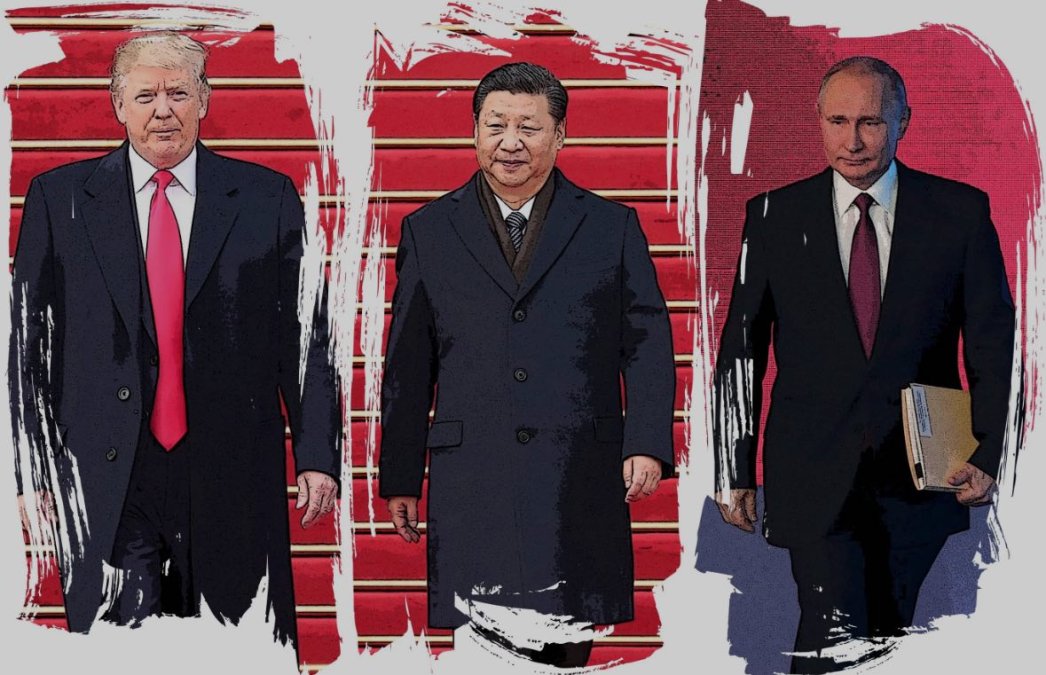
The heavy shadow of the East over the negotiation table with the West
سایه سنگین شرق بر میز المفاوضات مع الغرب
The nuclear negotiations between Iran and the United States are inherently a complex and multifaceted process influenced by numerous internal, regional, and international factors
Among these, one of the central and determining issues is the United States’ perception and interpretation of Iran’s expanding relations with Eastern powers, especially Russia, China, and North Korea
These relations, which in some aspects can bring strategic benefits to Iran, seem to have become a serious obstacle to the revival of the nuclear agreement and the reduction of bilateral tensions between Iran and the United States instead of facilitating them
To gain a deeper understanding of this issue, it is necessary to delve more deeply into the mindset of American political elites and the practical consequences of these relations on the nuclear negotiation process
The roots of American suspicion: the failed integration experience and the North Korean specter
American political elites, looking at the developments of the past three decades, do not have a particularly pleasant experience of interacting with Russia and China
In the post-Soviet Union collapse era, the dominant approach in Washington was to try to integrate Russia and China into the liberal democratic international system led by the United States
The belief was that by opening their markets and involving them in international institutions, they could be turned into responsible actors aligned with Western interests
However, this approach led to opposite results: Russia, after a period of weakness and instability, gradually revived its power and emerged as a serious critic of the existing order, seeking to restore its regional influence
China, with its astonishing economic growth, not only integrated into the international economic system but gradually became a powerful economic and technological competitor and an increasing geopolitical challenger
This bitter experience especially during Donald Trump’s presidency, which was accompanied by a more aggressive approach towards these two powers, fueled deep pessimism among American policymakers
They now believe that any interaction and concession to these countries will merely strengthen them and consequently weaken America’s position in the international system
Alongside this experience, the North Korean nuclear dossier also weighs heavily as an old wound on America’s foreign policy memory
Repeated efforts and lengthy negotiations by the US and its allies could not prevent North Korea from acquiring nuclear weapons
This failure has reinforced the perception among American elites that negotiating with countries that have a determined will to acquire nuclear weapons and are supported by rival powers is unlikely to yield the desired outcome
Iran in the new axis of evil: scenario creation and field realities
In such an atmosphere, some circles in America have tried to exploit the spillover of existing challenges with these countries into the Iranian nuclear dossier by drawing an imaginary axis consisting of Iran, Russia, China, and North Korea
They argue that strengthening Iran’s relations with these countries is a sign of Tehran’s strategic shift and its alignment with the camp of America’s adversaries
This portrayal, although largely based on suspicion and oversimplification of complex realities, has managed to influence the perception of some American elites about Iran
Unfortunately, within Iran, some approaches have inadvertently fueled this scenario creation
The excessive enthusiasm for joining the Shanghai Cooperation Organization and BRICS and interpreting it as a definitive turn towards the East has sent the message to the American side that Iran no longer has much interest in engaging with the West and is seeking to create an alternative international order centered on Russia and China
While membership in these organizations can provide diverse economic and political opportunities for Iran and should not be interpreted as severing ties with the West, the way it is presented and interpreted domestically has helped reinforce this erroneous perception in the mind of the opposing side
Perceptual consequences: from doubt in intentions to regime change approach
Placing Iran in this imaginary axis in the minds of American political elites has deep perceptual consequences that directly affect the nuclear negotiation process
- Doubt in Iran’s goodwill: strengthening Iran’s relations with countries that the US considers its main threats has created serious doubt in Iran’s goodwill in nuclear negotiations
- The American side perceives these relations as leverage for bargaining and gaining more concessions from the West, not a real shift in Iran’s foreign policy
- Reduced motivation for agreement: with the perception that Iran is seeking a strategic alliance with rival powers, America’s motivation to offer attractive and flexible proposals in nuclear negotiations diminishes
- They fear that any concession to Iran will ultimately strengthen the axis of America’s adversaries
- Strengthening maximalist approaches: in such an atmosphere, maximalist approaches, whose ultimate goal is regime change in Iran, gain more supporters
- This group believes that negotiating with Iran is not only futile but also legitimizes a dangerous actor and strengthens America’s enemies
- Therefore, they propose maximum pressure and waiting for the internal collapse of the Iranian regime as the main solution
- Reduced diplomatic maneuvering space: this negative mindset also limits the diplomatic maneuvering space for the American government
- Any flexibility or concession to Iran will face severe criticism from hardline groups and opponents of the agreement
The way forward: balance, transparency, and realism
To navigate this complex situation, Iran needs a multifaceted strategy that, while maintaining and developing relations with Eastern countries, actively addresses misunderstandings and changes the American side’s perception. This strategy should include the following elements
- Emphasizing the independence of foreign policy: Iran should clearly emphasize its independent foreign policy and not perceive membership in international organizations as choosing one bloc over another
- Iran’s national interests dictate establishing balanced relations with all global powers based on mutual respect
- Transparency in nuclear objectives: Iran should provide strong guarantees and complete transparency regarding the peaceful nature of its nuclear program to eliminate any excuse from the opposing side for doubting Iran’s intentions
- Full cooperation with the International Atomic Energy Agency and accepting necessary inspections in this regard is crucial
- Pursuing active diplomacy: Iran should actively pursue diplomatic channels with the American side and demonstrate its readiness for constructive and mutually respectful engagement
- Offering realistic and flexible proposals can gradually thaw the ice of distrust
- Managing the consequences of relations with the East: Iran should carefully manage the consequences of its relations with Russia, China, and North Korea on nuclear negotiations with the US
- While these relations can have economic and political benefits for Iran, they should not be interpreted as if Iran is indifferent to any engagement with the West
- Effective communication with American public opinion: Iran should strive to convey its message directly to American public opinion through various channels and present a more realistic image of its goals and intentions
- Countering negative propaganda and explaining common interests in a nuclear agreement can help change perceptions
Ultimately, solving the complex puzzle of the impact of Iran’s relations with the East on nuclear negotiations with the US requires a deep understanding of global power dynamics, foreign policy nuances, and the art of diplomacy
Iran must intelligently create a delicate balance between preserving its national interests in developing relations with various countries and the necessity of resolving the nuclear issue through diplomacy
Otherwise, the heavy shadow of suspicion and pessimism resulting from these relations will continue to loom over the negotiation table, posing increasing challenges to achieving a stable and comprehensive agreement